We generally think shame is bad. We aren’t wrong in thinking so.
Often Christians find themselves tied up in shame over sin that we’ve repented of and has been dealt with at the cross. Living free from shame is available to us in Jesus because he took our shame on the cross as he himself was shamed.
The cross wasn’t simply a deeply painful experience for Jesus, or anyone crucified, it would have been humiliating, dehumanising, and degrading. Crucifixions happened at well-travelled crossroads as a sign of Roman rule and the victims would be subject to vicious ridicule by passersby. Jesus was turned into what Thomas Cahill called a ‘cosmic gargoyle.’ Jesus hung naked to be shamed, his Jewishness on display and likely itself a subject of mockery by any Romans present. Jesus became naked and shamed so that before God a return to the ‘naked and unashamed’ state of Genesis 2 is possible.
Shame is bad and removed at the cross. Shame is social and removed particularly when the church acts as the church to demonstrate that our brothers and sisters have been washed by God. God will not put us to shame (Romans 10).
And, the New Testament strongly suggests that the cross shames us. The foolishness of it shames the wise, the weakness of it shames the strong (1 Corinthians 1). Those opposing the Lord glory in their own shame (Philippians 3) and those who oppose the good works and words of Christians will be put to shame (1 Peter 3; Titus 2).
In other words, shame has an important role in showing us our own sin. The problem is when the shame persists after our sin is dealt with at the cross. If we cease to be ashamed of our sin then we sear our consciences, the shame should drive us to repentance and thereby be washed away from us.
We live in a culture that hates shame, of both kinds. We’re taught that it’s always bad to be ashamed and not that shame might, if rightly directed, teach ourselves something about our own depravity. Of course, often our shame is deeply misdirected because others have shamed us, leaving us needing some degree of pastoral help to untangle that, repent of what we need to, and live free from shame. Nevertheless, it has a helpful function at indicating where we need to go to Jesus.
Shame has a more basic societal function of indicating what is unacceptable to the social group. This is only healthy when the social grouping has values consonant with the Bible’s, but the idea that you wouldn’t do something because its shameful is a healthy one if it’s directed towards sinful ends: the social shame helps us not to sin. It rarely is directed the right way, but shame can be useful when it drives us to repentance.
All this is to argue that while generally, we think people should live unashamed, this means something very different from what our society means by it. We can assume it’s the same because they superficially sound similar, but shame can only be washed at the cross and so we should only live unashamed the other side of repentance. The general cultural impulse to live ‘unashamed’ is yet another attempt to have the kingdom without the king.
To give a recent public example, a YouTuber called Jesse Ridgway, along with his wife Ashley Ridgway lived their lives very publicly, as many influencers do. When Ashley became pregnant, they detailed various steps in intricate detail. When prenatal testing indicated it was likely that their baby boy had Down’s Syndrome they tragically decided to abort him. While this is itself abhorrent, it is sadly very common and the medical advice typically given following such testing. A Christian response—as well as deploring abortion as a deep evil and as a malicious industry that prays on vulnerable women by offering them false hope—has deep concerns around the ethics of some prenatal testing, especially testing that puts the baby’s life at risk to learn a diagnosis that is not treatable. That’s a more complex area than I’ve made it sound, but most Christians seem to go along with medical procedures without considering that they are recommended from an entirely different set of values and understandings about what is good and right: we should think everything through.
We know the Ridgway’s story because they told us. They put out a YouTube video detailing what they’d done and why. They were, unsurprisingly, met with very mixed reactions. They didn’t seem to have anticipated this. They certainly weren’t ashamed.
It is, I guess, unsurprising that people who detail their lives online would tell their viewers the most private parts of all they’ve done. But this is an extreme example of where our ‘unashamed’ culture doesn’t help us. Shame here would have told them that making this public was a bad idea, that this action needing grieving, and pushed them in the direction of remorse. I appreciate that without anyone to explain just how wrong it was, repentance is unlikely, but nevertheless our consciences produce shame to help us see it was wrong.
Shame can be healthy.
Why does this matter? Our churches should be place that help people get free of shame but not places that teach that we should never be ashamed. That sounds obvious, but our collective consciousness is shifting. It’s too much to say we’ve lost shame, lots of people want to shame others for holding opinions they disagree with, but what we’re ashamed about has changed and become fragmented and unmoored from a wider story of the good, true, and beautiful.
Clarity over right and wrong may sound like the church is trying to shame people. We aren’t. We might provoke their own shame at their owns actions, which can be washed at the cross. Gentleness and kindness towards sinners is the way of Jesus, but its a kindness that leads to repentance (Romans 2). We mustn’t allow a concern over shame to stop us telling the truth. We must lead those who come to Jesus through into true freedom.
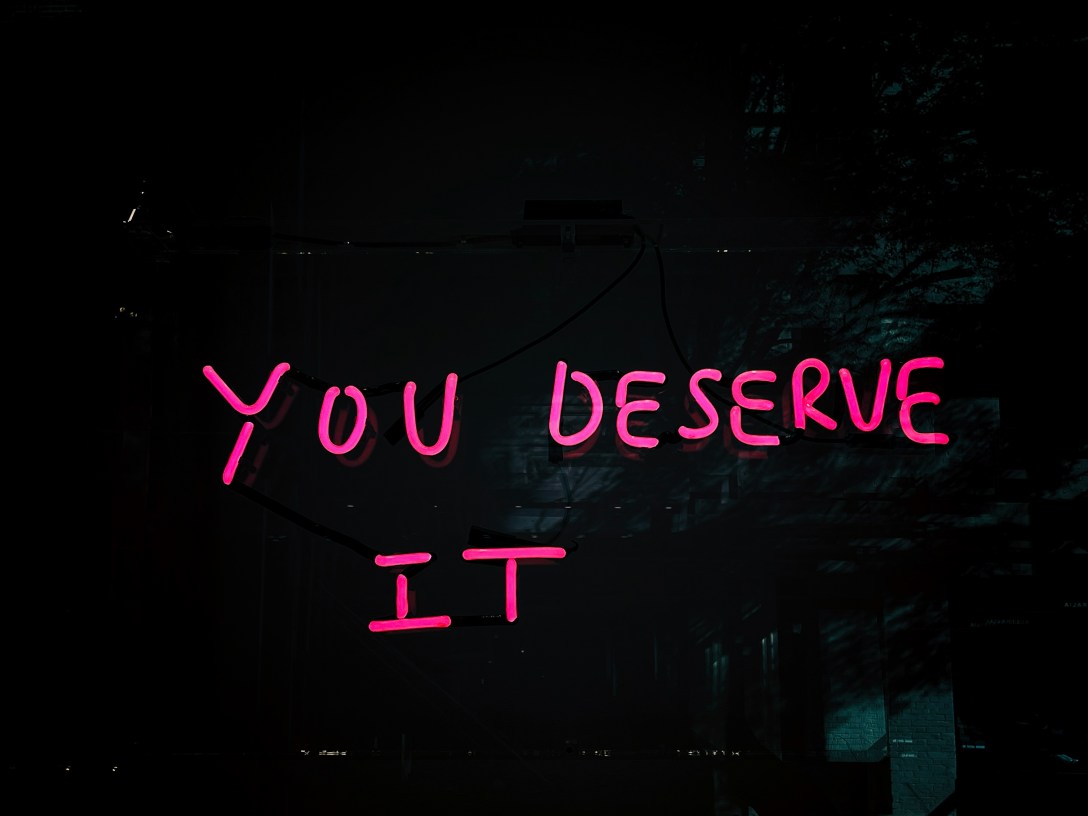
Photo by Jon Tyson on Unsplash
To subscribe and receive email notifications for future posts, scroll all the way to the bottom of the page.
Would you like to support my work? The best thing you can do is share this post with your friends. Why not consider also joining my Patreon to keep my writing free for everyone. You can see other ways to support me here.

