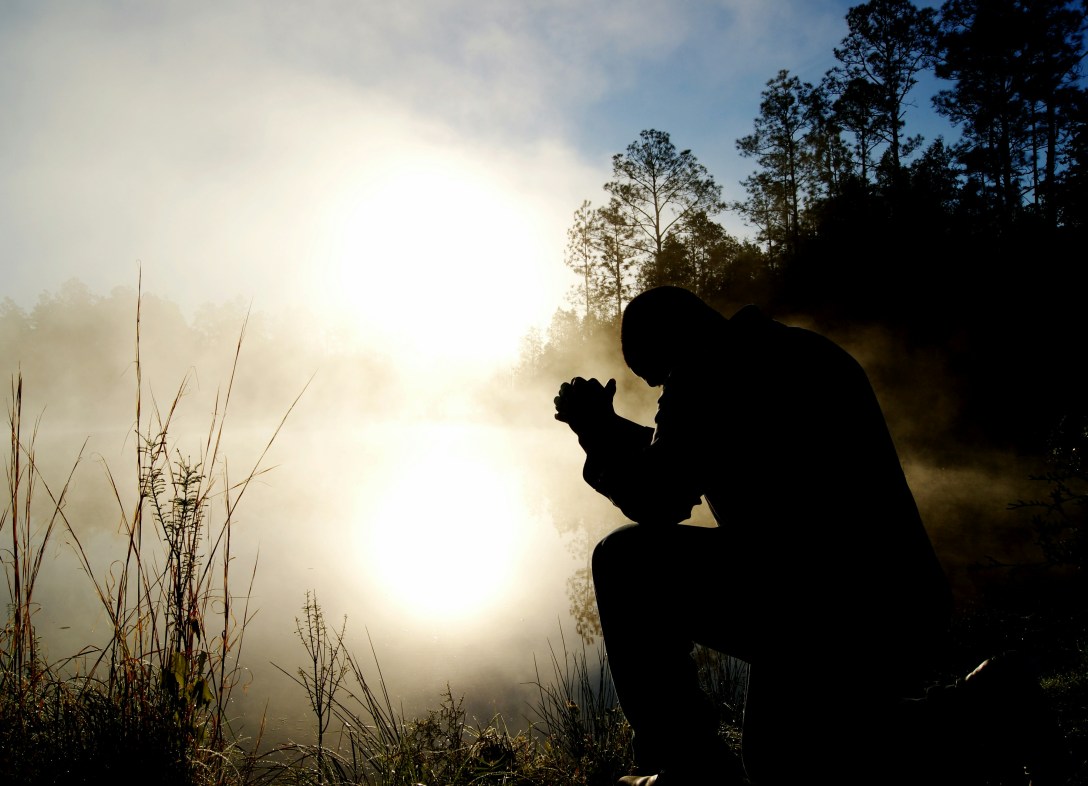
People say this a lot in evangelical churches, often deliberately referring to the worship of the church as ‘sung worship’ in an attempt to distinguish it from all the other things we do that are worship.
I completely understand the heart behind it but do worry that if everything is worship then nothing is.
Of course, the claim sits on good biblical grounding. It is true that Romans 12 uses temple language to refer to the ordinary things that we do with our bodies. The physical stuff of life if elevated to temple service, resting on the logic that our bodies are themselves temples (1 Corinthians 6) and bricks within the temple (1 Peter 2; Ephesians 2). A whole life is meant to be lived towards God, everything we do being done for his glory (1 Corinthians 10), as a sacrificial offering.
If anything, we underplay this, particularly the physicality of it all. Stuff matters, and our bodies matter, and they rightly belong on the altar as a fragrant offering to the Lord. If that’s true, it seems reasonable to say that everything in life is worship.
Except the way I see this expressed is almost always during the gathered worship of the church. People seem nervous calling what we do on a Sunday or what we do gathered together to sing and pray in other settings ‘worship.’ It’s like we have to caveat it away, using slightly nauseating terms like ‘sung worship.’ We seem afraid that if we claim gathered worship is of a different category to what ‘worship’ in the rest of our lives means then people will super-spiritualise everything. I can imagine that initially this trend was responding to a real thing, but not a real thing that I see in action in the churches I frequent or the lives of people I know.
The opposite is much more common in the evangelical charismatic world, a de-emphasising of the worship of the church. It’s no surprise that people think you can ‘worship anywhere’ meaning that they don’t need the church or that the week has seven similar days, rather than a six-and-one pattern, if we teach them that it’s basically all the same. If it’s all the same then why bother with the Lord’s Supper, why not just have a meal together? Surely that’s what the early church really did? (That’s one of those using true words to say untrue statements things, for the record).
With good motives it becomes a confusing saying, because we’re using the word worship in two different ways. In the sense of ‘all life is an offering’ we don’t mean consciously directed towards the Lord Jesus as the formal object, all about him, we mean a pattern of living that intends to bring God glory. You might think those two can narrow to a point after a successful life of discipleship, but I want to suggest that even if we are successful in a life as a pure offering to Jesus there is something distinct about gathering to worship with others.
That distinction is more than just the ‘with others’ part, too. We often struggle here in evangelical circles, finding ourselves unclear why a midweek group is that different to a Sunday morning for any reason other than scale. Except again, the church is not just any time Christians gather together. If we’re Reformed(ish) in our emphasis, then even without holding to the regulative principle we should be expecting the ways that the word proscribes that we worship as we gather: songs and prayers, prophecy and tongues, the preached word, the Lord’s Supper, Baptism. We also don’t believe that any gathering of Christians is a church if they do those things, though that’s a fair way towards it, we also think appropriate delegated authority from God in the form of appointed elders is required.
In charismatic circles we tend to roll the songs and prayer, prophecy and tongues into a time that we call ‘worship’ that we start the time together with. I get the desire to suggest that not just those things but also the preaching and the Lord’s Supper are worship too. We could call the thing on a Sunday morning that we don’t want to call a service but lack a good noun for, ‘Sunday worship.’ We might then use the ‘sung worship’ distinction I started with to distinguish the singing and contributions bit from the preaching or communion bits. I’m not sure that really does us any favours. If worship is us bringing our praise to God, then it’s appropriate for the bit of the meeting where we primarily do that. The preached word is receiving from God and should stir our hearts with the gospel to respond in praise but itself is not directing our corporate praise to God. The Supper is more complex as it has a definite both/and dynamic where we are the offered bread (1 Corinthians 10) on God’s table, but the primary metaphor is “come to the table to be fed,” it’s receiving.
Of course, good charismatics also talk a lot about receiving from God as we praise too. I think that’s the right dynamic, both because whenever we move towards God we discover he has first moved towards us (that’s what makes us Reformed charismatics, after all), and because all of the four non-negotiable elements of what we do when we gather are about encountering God. I don’t think that negates that the part of the meeting when we most tune our hearts in praise—the key to entering God’s presence—is the one where we sing songs and pray prayers and do a few more charismatic things. That’s worship.
So, is all of life worship? Sure, but in a distinct enough way from the thing that we tend to call worship that I wonder if we need different terms. I certainly don’t think that the phrase ‘all of life is worship’ is helpful when delivered in the context of directly worshipping God; all we manage there is to denigrate the majesty and importance of thing we do together.
Photo by Aaron Burden on Unsplash
To subscribe and receive email notifications for future posts, scroll all the way to the bottom of the page.
Would you like to support my work? The best thing you can do is share this post with your friends. Why not consider also joining my Patreon to keep my writing free for everyone. You can see other ways to support me here.

