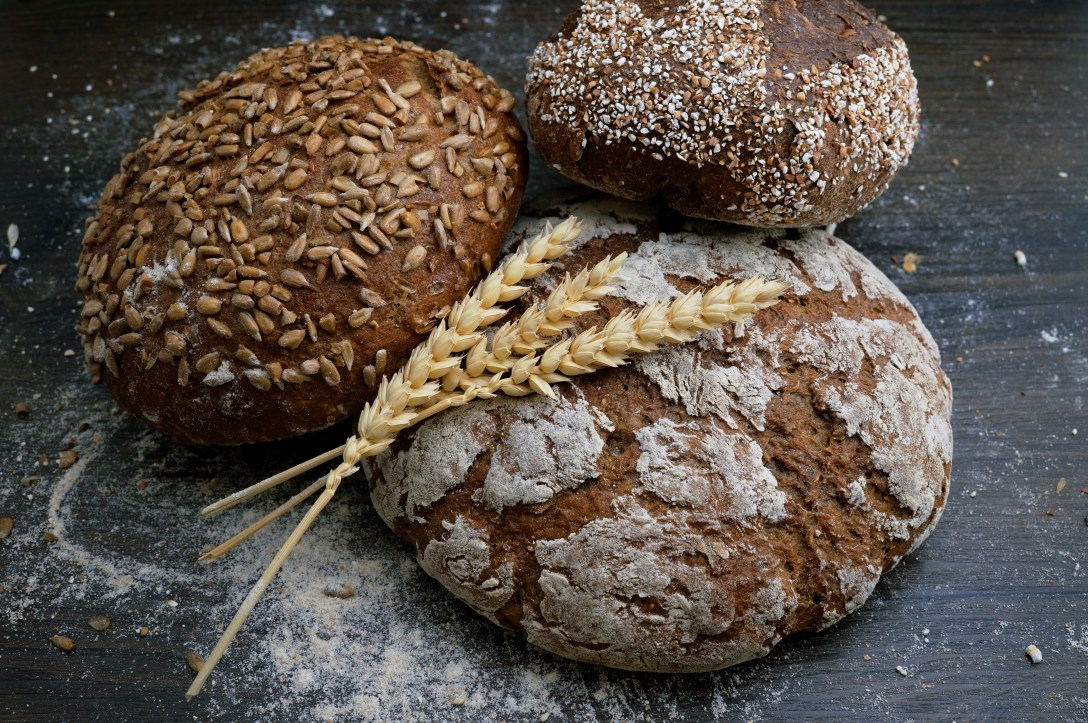
Luke mentions bread on ten occasions in his gospel (using the word 15 times). While we can’t hang too much on the numbers, and in that count I’ve included the word artos but ignored words like zyme (leaven), I think it might be indicative that Luke has a theology of bread.
It’s interesting—to me, at least—that Luke never mentions wine, using the phrase ‘fruit of the vine,’ but mentions bread often. Obviously, Luke is talking about wine at the Last Supper, but assuming that word choices are careful and deliberate acts of artistry, I feel like that choice is indicative of something. I haven’t, as yet, got much sense of why Luke doesn’t mention wine, but we can notice that bread is foregrounded.
The Ten Times Luke Discusses Bread:
- Jesus Temptation (Luke 4.3–4)
- Bread of the Presence (Luke 6.4)
- Jesus’ Conviviality (Luke 7.33)
- Instructions not to take bread on mission (Luke 9.3)
- Feeding of the 5000 (Luke 9.13, 16)
- The Lord’s Prayer (Luke 11.3, 5)
- Bread in the Kingdom of God (Luke 14.1, 15)
- The Two Lost Sons (Luke 15.17)
- The Last Supper (Luke 22.19)
- The Meal at Emmaus (Luke 24.30, 35)
The first mention of bread is Satan’s attempt to get Jesus to make bread from stones, Jesus responds by quoting Deuteronomy. Bread means ‘life’ in the Bible, but bread isn’t enough to live on. Bread also, especially in Deuteronomy, carries a more complex meaning of ‘covenant’ as it isn’t enough to live on, we also need God’s words established in his covenant with his people. This is reinforced in the instructions to not carry bread with you on mission, because the Lord will provide, to pray for that provision when Jesus taught people how to pray, and the example of the bounty of that provision in the feeding of the 5000. God will provide and has covenanted to do so.
The second occasion we meet bread, Jesus relating David’s eating of the bread of the presence, carries similar connotations, emphasising covenant but pushing them into the other meaning that bread has in the Old Testament: friendship. The bread before God is a sign of the covenant, but its bread offered by the people to God to eat together. It’s a request to break bread with God, on his instigation meaning the offerers know that request will be granted. It’s convivial worship. Jesus’ own conviviality is a lived example of the friendship that God offers.
Though the meanings are overlapping, this means we can suggest that the three meanings within the symbolic domain of bread in the Bible are also the first three times we meet bread in Luke’s gospel:
- Life (4.3–4)
- Covenant (6.4)
- Friendship (7.33)
I’d hold that lightly as I think those meanings are overlapping in these narratives, but it’s perhaps indicative.
The next three occasions are all about God’s provision for us. The next two are stories of bread in the kingdom: there is enough bread in the Father’s house. For Luke, eschatology is commensality (14.15, 22.28–30), he speaks of the coming kingdom in table language. Luke also uses a blessing/cursing motif as the judgement comes on those too busy with eating and drinking (17.26–30). God’s provision is not just physical, the bounty implied by the feeding of the 5000 is an eschatological bounty. God will feed his people forever, knowing that they live not just on bread but also on his Word. It’s implied in Luke rather than stated like in John, but Christ is our bread and our life.
The final two occasions bread is mentioned are the Last Supper and the meal at Emmaus. These are both meals where bread most explicitly points us to Christ as our life. Jesus reinterprets bread as his body and at Emmaus we discover that we perceive him through the breaking of bread, so the source of life (and covenant and friendship) is in ‘eating’ Jesus. As we participate in him through faith, we find ourselves participating in the life of the kingdom as it’s the life of God.
That’s Luke’s theology of bread. He moves from Old Testament images and Jesus’ practice to living a life with an expectation of provision, to the bread of the kingdom to come, as best seen in the Lord’s Supper practiced by the church week by week. It’s a theology that culminates at God’s table in Christian worship. It’s a theology that has an expectation that the end of all things looks like eating, which probably shouldn’t surprise us if we see Genesis 2 as opening with eating as the most basic thing humans do, where God’s hospitality is then rejected in Genesis 3. The recovery of all that was lost through our own foolishness includes a recovery of feasting with God at his table.
If you find that interesting, this is a summary (and expansion) of part of what I presented at THINK 2026, you can listen to my session here, or find the rest of the conference from there.
Photo by Wesual Click on Unsplash
To subscribe and receive email notifications for future posts, scroll all the way to the bottom of the page.
Would you like to support my work? The best thing you can do is share this post with your friends. Why not consider also joining my Patreon to keep my writing free for everyone. You can see other ways to support me here.

