I’ve been in Alton now for around 9 months (as I write), having moved here to take a full-time role on staff at Harvest Church as part of the current team leader’s transition plan. I’ll be taking over as eldership team leader soon (Ed—yesterday, as it panned out!).
Here are a few scattered thoughts reflecting on my experience so far.
It’s a privilege
I’m not new to church leadership, I’ve been leading churches for over a decade. In our ecclesiology we don’t think there’s a material difference between elders/pastors who are paid and those who aren’t. It’s good to have both in your team—I’ve met plenty of pastors who’ve forgotten what having a job is like—though most people seem to struggle with the idea that those on the payroll aren’t the ‘real’ pastors.
The main difference between my previous 20 hours a week on top of my secular job and my situation now is time. I’m paid so that I don’t have to work. I don’t consider myself to have a job, and think that distinction is important. Of course, it is technically employment and there are plenty of things that have to be done to make church happen, but ultimately the role of an elder is prayer and the ministry of word and sacrament. I’m paid so that I can do that all the time.
It’s a huge privilege. The fact that the church in their kindness has elected to pay me to pray, seek the Lord, and read the word is a delight. I remember the first time I spent an afternoon in prayer over something; it was a true delight that I was able to do so. Previously, working a full-time job (or part-time while part-time studying), it was difficult to get the time for more than ten minutes of prayer on a topic during the day.
I pray that I never lose the wonder that I get to do this.
Of course, the days are spent with preparing for things and operational meetings and strategy papers and emails and, most importantly, people. None of that is wrong, even if it’s not the most important thing I’m supposed to be doing.
Time slides if you don’t fight for it
This is true in other settings too, though the particular angle I’ve noticed in paid pastoral work is that we can say the most important thing we do is prayer, time in the word, and administering the sacraments, but it’s easy for your week to slide in such a way that we don’t manage to do that.
I schedule a day for study in my diary every week. I rarely get to do it. I have to fight harder than I would have expected to keep windows of time open for the deep work that I am supposed to be doing. It’s difficult to fit deep work into hour windows between things; in fact, it’s not difficult, it’s impossible. You cannot think and read and reflect and develop ideas like that.
Of course, many of things that time has slidden for are also important. They need to be done and often in a fairly short time span. Some of them aren’t important, and the will to say no to the unimportant is key, but study and prayer will not happen if I don’t put work into scheduling time in my diary for them.
I’ve found much the same with reading. In theory I should be able to read more than ever. Instead, I have to fight to carve out time to read because all sorts of ephemera and important things fight for my attention.
Its uniquely hard, but not harder
Ok, I’m fairly new at this, some old hands might shoot me. The thing is, lots of people told me that being a paid pastor was ‘harder’ than the pastoring I’d done before as though this was the real work. Only listen to someone who tells you that if they had spent a significant amount of time as an elder who also has a job.
They’re different. The pressures are different. In one sense being a paid elder is all-consuming in a way that being an elder with a job isn’t. However, elders with jobs are also thinking about the church in the back of their heads all day, they’re reading emails at their workplace, they find it much harder to get a day truly ‘off’ than a paid elder does. The intensity level is higher for a paid elder. There are a number of challenges for elders with jobs that paid elders don’t face.
Neither is harder than the other. They’re just hard things that are different. It’s difficult being an elder with a job for a number of reasons, but particularly that you have to spiritually carry a church where things are changing often faster than you can keep up. You can’t be in the detail, yet you need to front and carry it anyway. It’s an absolute joy, but it’s hardly easy.
We should also stop saying it’s the hardest job in the world. There are unique challenges that pastors face that many other jobs don’t, particularly the emotional load of life. Lots of jobs are hard. The hardest job I’ve ever done was trying to teach Religious Studies to 14-year olds in inner city Nottingham, comparatively this is a breeze. The claim that this is the hardest job in the world is the sort of thing Pastors tell each other when they’ve forgotten what it’s like having a real job. The claim that its easy and doesn’t have unique pressures that many people don’t understand is only made by those who’ve not spent much time with Pastors (including unpaid ones!).
It’s a joy and a privilege to serve the church full time. It was a joy and a privilege to serve two other churches part time without pay. There are, of course, a set of pressures and challenges that are ever-present. Nevertheless, the church might just be the best idea Jesus has had; she’s the hope of the world.
Also, I messed something up with my email subscribers on my last post, so if you missed that you can see it here.
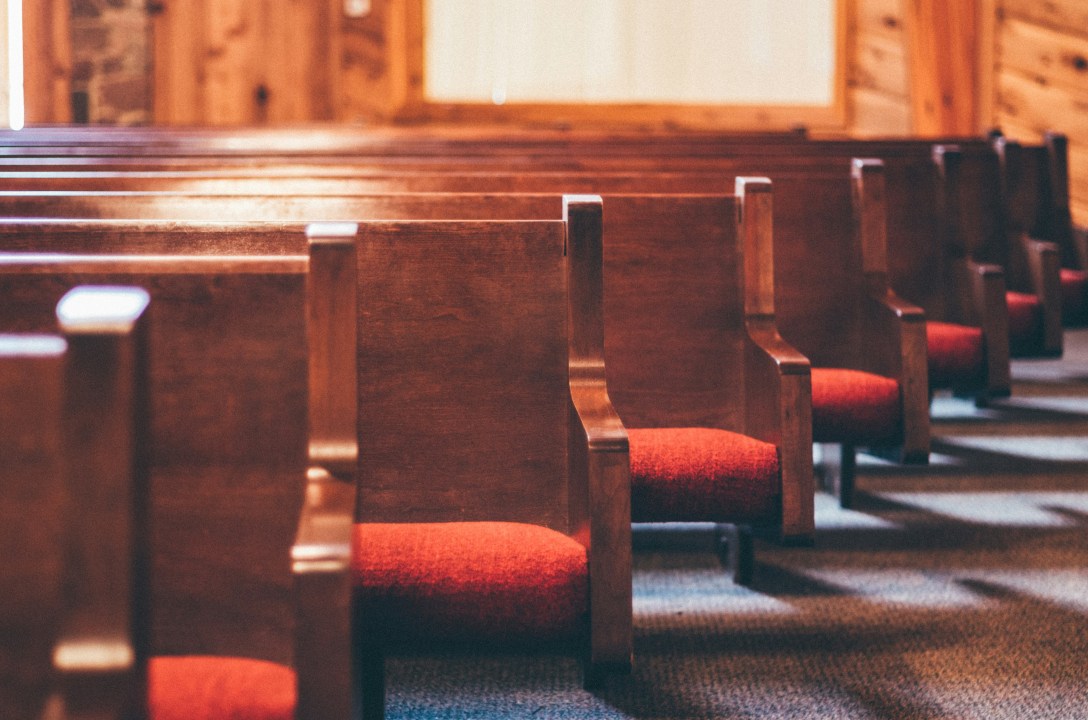
Photo by Andrew Seaman on Unsplash
To subscribe and receive email notifications for future posts, scroll all the way to the bottom of the page.
Would you like to support my work? The best thing you can do is share this post with your friends. Why not consider also joining my Patreon to keep my writing free for everyone. You can see other ways to support me here.

