As I write the UK Parliament has voted ‘yay’ to the second reading of a bill to legalise assisted suicide. It’s been wildly reported internationally as being legalised, which is a slight misunderstanding of the system as another vote is required, but it seems likely it will continue to pass.
Assuming it does, this is perhaps the biggest cultural shift since the Abortion Act of 1967. At the same time it seems entirely inevitable, one will naturally lead to the other. What I mean by that is that as we embrace a willingness, as a society rather than as individuals, to kill the most vulnerable, it’s not wholly surprising that eventually we become willing to kill other vulnerable groups. We have long embraced a culture of death.
It is something to be mourned and wailed at. If you shrug your shoulders at it and move on I can only suggest that there is something wrong with your moral tastebuds; this is abhorrent. That we would take vulnerable people and, rather than giving them what dignity is possible in death would allow them to end themselves (with assistance) is vile. It’s vile before we look at how open the particular version we’ve had proposed is to abuse or what’s happened in Canada.
Why is it vile? Because we don’t have a right to kill ourselves and because life is precious. We find that difficult to hear, but we don’t belong to ourselves. Of course we naturally go to those in unimaginable pain and want to lessen that pain, that’s a good impulse. Encouraging them to kill themselves isn’t lessening their pain, and it changes all of us. That the health service now might offer to kill us is a significant shift, but that we live in a world where that’s normalised also dehumanises every one of us.
On top of that we know that its inevitable that people kill themselves because they don’t want to be burdens, which is exactly what we’re supposed to be. We also know that’s its inevitably going to be cheaper for the NHS to offer assisted suicide to certain very sick patients than to treat their condition. I suspect it will take a long time before anyone is truly that callous, but the line on the budget starts to ask a question of those who make those decisions and the mere possibility of it will start to grow calluses on the soul. It will take incredible moral courage to resist this, and I do not think we have that as a society.
What does this mean for the church?
There are two things, the first is important and the second is vital.
First, we need to not allow others to dictate our language. It isn’t ‘assisted dying,’ the bill is very explicit that its ‘assisted suicide.’ We should talk like that, we are encouraging people to kill themselves. It’s demonstratively and morally distinct from a hospice giving significant pain relief that eases the process of dying. It’s notable that hospices have been outspoken against the proposals. We should call things what they are, that’s the only way we can solve problems.
Second, we need to build an ark.
Stanley Hauerwas famously said:
“I’d say, in 100 years, if Christians are people identified as those who do not kill their children or their elderly, we would have been doing something right.”
That’s what we’re aiming for. We need to become churches that are able to support the very old and able to love children.
This will include families having as many children as they can and church being a refuge for the single and childless—both of whom we expect to grow in number—where they are welcomed into those families to become uncles and aunts to a brood of kids.
This will mean making it clear that the perceived shame of becoming visibly pregnant is better than having an abortion. I’ve heard it commented that it is surprising, people being what they are, that there are so very few children born out of wedlock in British evangelical churches. I fear this means people decide that the shame of having to be public about having had sex outside of marriage means that they choose abortion instead. If that’s true, we need to become communities where young women know that they will be greeted with love and either helped to raise a child, or that others in the church would happily adopt them.
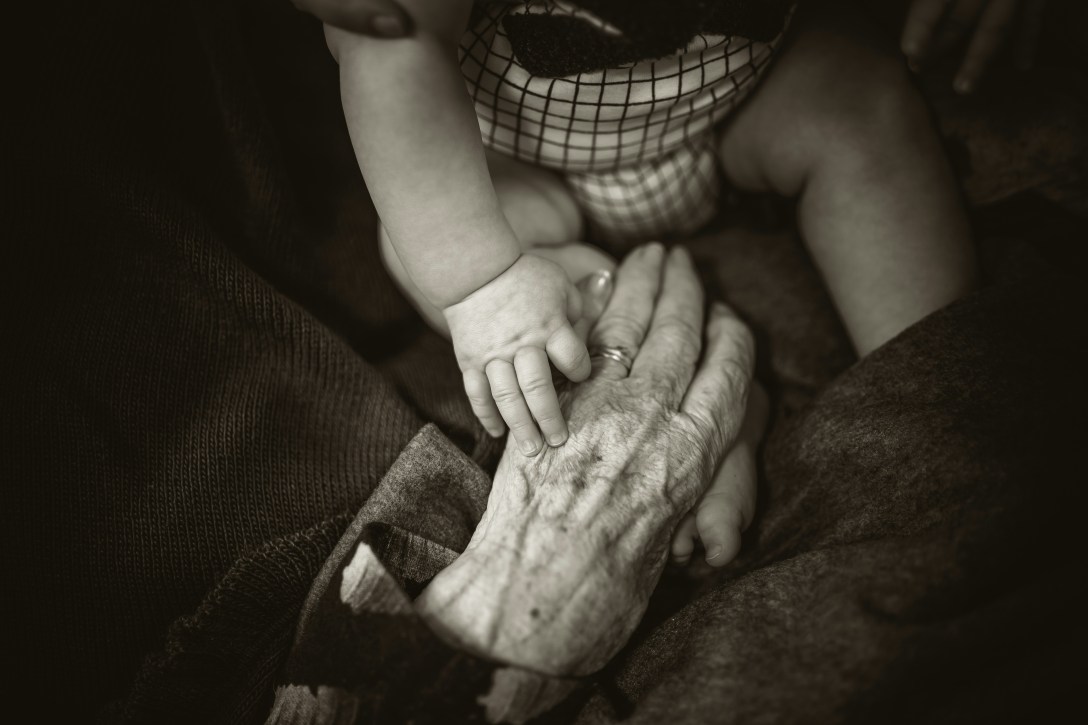
It means we need to be willing, in a country with a rapidly aging population heading towards significant demographic collapse, to say that the elderly are valuable even if they aren’t ‘useful.’ We need to put action behind our words and love the elderly amongst us. We may need to start care homes and hospices that treat people with dignity because they were made as image-bearers.
I have no expertise here, but we will need to become the kind of people that live like everyone is of value, even the people we are, for whatever reason, less keen to say that about. I imagine that the moral acid of assisted suicide will affect all of us, devaluing human life and dehumanising us. The widespread adoption of abortion in the past sixty years has changed us, it’s been a notable feature in the triumph of personal autonomy as the highest good and has changed our understanding of sex in very significant ways. I anticipate similar shifts stemming from assisted suicide and the moral philosophy that underpins it over the next sixty years.
Churches must resist this. We will seem backward; we may be accused of being medieval (good). We will certainly be out-of-step with moral attitudes at large. Many in our churches will not understand, so catechised are they by their way-of-being-in-the-world.
And, along with backbones of steel, we must show compassion to the young woman who does have an abortion and the elderly person (and their family) who wants to kill themselves. We must speak of people with the dignity we are arguing that everyone holds, even the abortionist and the euthanist. We must actually be an ark that all can climb onto and be saved from the flood. Yes, entrance requires repentance, but such were some of you, and we have been washed, sanctified, and justified in the name of the Lord Jesus Christ and in the Spirit of our God (1 Corinthians 6).
To subscribe and receive email notifications for future posts, scroll all the way to the bottom of the page.
Would you like to support my work? The best thing you can do is share this post with your friends. Why not consider also joining my Patreon to keep my writing free for everyone. You can see other ways to support me here.
 nuakh
nuakh 